ボトックスで小顔を作る
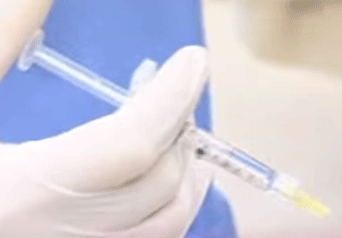
最近、小顔になりたいと願う女性達の間で注目されているのが、ボトックスという注射で小顔になる方法!
エラ・シワにも効果があるといわれており、皆さんがどうしても気になるのはどの位の効果があって、期間はどの位必要で、特に気になるのが料金についてとても気になっていると思います。
金額が高額過ぎると諦めてしまう方も少なくないでしょうし、安すぎては効果や安全面についての不安が出てきますよね。
そこで、今日はここでボトックス注射をするとどんな効果があり、気になる料金についてもまとめてご紹介していきたいと思いますので、是非皆さんの参考になればと思います!!
無菌化された菌とは?
ボトックスとは分かりやすく言うと「ボツリヌス菌」という菌を無毒化したもので、これを注射していきます。
何故、敢えて無毒化したボツリヌス菌でなくてはいけないのか?という事ですが、このボツリヌス菌を無毒化する事により筋肉の動きを抑制する事ができ、そのお陰でシワになる原因を抑える事が出来るという事が分かったからです。
ですから、綺麗になる為に女性達が最近はクリニックでボトックス注射をしているのです。
エラにも効果的??
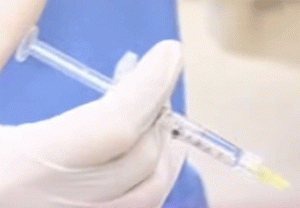
さて、ボトックスがエラにも効果があると言われているのですが、実際の所はどうなのでしょうか?
それはエラの原因で効果が出る、出ないがはっきりしてくるのです。
筋肉の影響でエラが目立っているという人の場合なら、ボトックスを注射する事で、筋肉を細くする事が可能ですから、エラの目立ちを抑えらえるのです。
ですが、元々から骨が出ているという人の場合には、ボトックスを注入してもエラは変化しませんから、何が原因なのかをクリニックで検証して、どうするのかを決めた方が良いでしょう。
小顔になれる?
小顔でボトックスを行う人は多いのですが、やはりこちらもエラが原因の上に骨が出ている方の場合には、小顔効果は期待出来ないかもしれません。
筋肉という場合なら先にも述べた様に、筋肉を細く出来るので小顔効果はかなり期待出来るでしょう!
筋肉以外が原因となる場合には、ボトックスをした所で効果はないという事ですね。
けれど、シワなどには効果がありますから綺麗になりたい方にはうってつけと言えます。
期間&料金
いよいよ皆さんが気になる期間&料金についてですね、正直な所打つ場所やクリニックによって金額は差があるという事です。
けれど、基本的には相場が五万円位で、かかる時間も数十分程度で終了します。
そして、効果が持続する期間については半年程度というのも平均の様ですね。
けれど、ボトックス注射は一度すればそれでOKというものではなく、定期的に打たなければ筋肉が元に戻ってしまうので継続したいのならば定期的に注射しなくてはいけません。
以上、ボトックスについてまとめてみましたが、ご理解頂けたでしょうか?
まずはクリニック探しからスタートして料金や期間等を確認し、カウンセリング等を受けて納得出来るクリニックで行う事が大前提です。
顔という大事な部分でもありますので、適当なクリニックで失敗したりしない為にもきちんとしたクリニック選びを行ってください。
「ボトックス・クリニック」とネットで検索すれば色々な口コミやクリニックのホームページがヒットすると思うので、そういった所で情報収集を行い少しでも良いクリニックと出合えたらと思います!
そして、自分の望み通りの小顔とシワの無い美しいフェイスを手にして欲しいと思います!
更新情報
- ◆2016/01/06 ボトックスで小顔を作るの情報を更新しました。
- ◆2016/01/06 サイトマップを新規投稿しました。
- ◆2016/01/06 会社プロフィールを新規投稿しました。
- ◆2016/01/06 怖くないボトックス注射の情報を更新しました。
- ◆2016/01/06 怖くないボトックスの情報を更新しました。